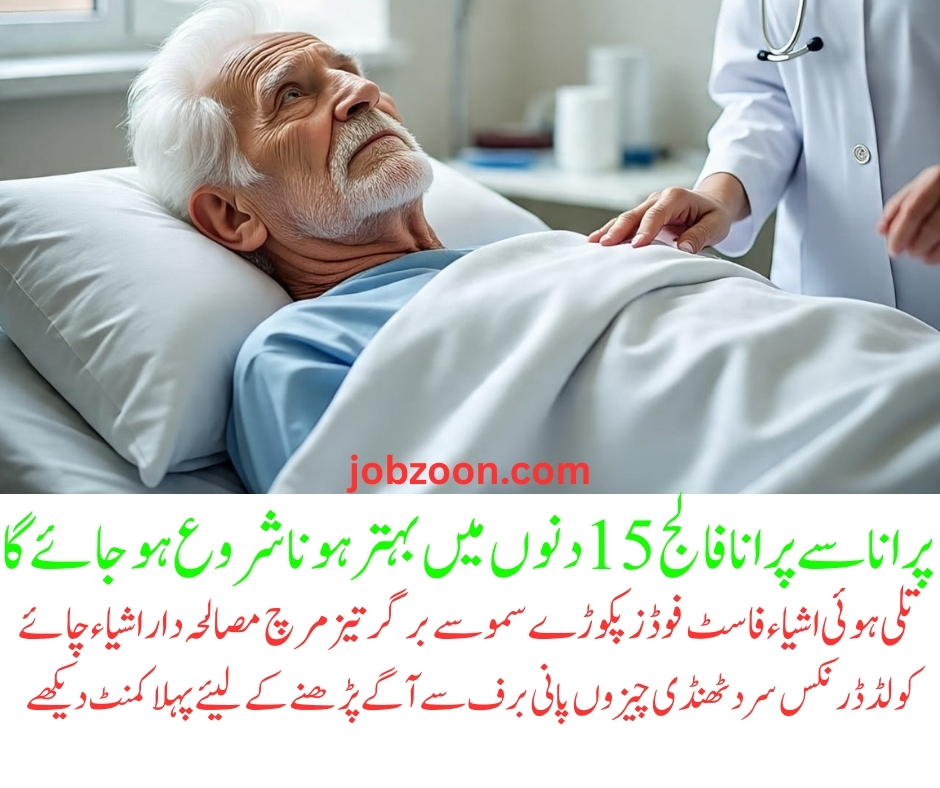
پرانا سے پرانا فالج 15 دنوں میں بہتر ہونا شروع ہو جائے گا ، گاڑھا خون پتلا ہوگا اور چلنا شروع ہو جائے گا
تلی ہوئی اشیاء فاسٹ فوڈز پکوڑے سموسے برگر تیز مرچ مصالحہ دار اشیاء چائے
Treatment of old age paralysis. کولڈڈرنکس سرد ٹھنڈی چیزوں پانی برف سے پرہیز کریں ٹھنڈی ہوا سے مریض کو بچائیں ، مریض کو پسینہ آنے دیں
Old to old stroke will start improving in 15 days, thick blood will be thinned and walking will start
Fried items Fast foods Pakodas Samosas Burgers Hot chilies Spicy items Tea
Cold drinks Cold things Water Avoid ice Protect the patient from cold air, let the patient sweat. Treatment of old age paralysis
| اجزاء نسخہ | مقدار |
|---|---|
| لہسن کا پانی | ایک کلو |
| پیاز کا پانی | ایک کلو |
| درک کا پانی | ایک کلو |
| گندھک آملہ سار | 50 گرام |
| رائی | 50 گرام |
| کالی زیری | 50 گرام |
| کالی مرچ | 50 گرام |
| مورنگا کے پتے | 50 گرام |
ترکیب تیاری
ایک سٹیل کے برتن میں تینوں پانی ڈال دیں اور ادویہ کو الگ الگ پیس لیں ، اور برتن میں ڈال دیں اور بہت ہلکی آنچ پر رکھیں اور پکائیں ، دو دن میں جب پانی خشک گاڑھا ہو جائے ایک پاؤ رہ جائے ، بالکل خشک نہیں ہونے دینا برتن اتار لیں اور دوا کو نکال کر کسی کھلے برتن میں ڈال کر دھوپ میں رکھیں تاکہ خشک ہو جائے ، پھر خشک ہونے پر کھرل کریں
مقدار خوراک
پرانے زیادہ عرصہ والے مریض کو چھوٹی چائے والی آدھی چمچ دوپہر ایک خوراک دینی ہے ، نئے فالج کے مریض کو کم مقدار خوراک دیں
مریض کو پسینہ لائیں ، پسینہ آنے سے جسم میں خون کی گردش بڑھے گی اور بلڈپریشر ٹھیک ہوتا جائے گا
An old patient with a long history should receive a dose of half a teaspoon in the afternoon, and a new stroke patient should receive a smaller dose. Make the patient sweat, sweating will increase blood circulation in the body and blood pressure will improve.
Old age paralysis, often resulting from a stroke or neurological conditions, requires a compassionate, multi-faceted approach to care. The primary goals are to improve quality of life, maximize remaining function, and prevent complications. Treatment is not about a single cure but a sustained management plan.
Core Components of Treatment:
- Medical Management: A doctor will address the underlying cause (e.g., managing blood pressure post-stroke) and prescribe medications to reduce muscle spasticity, prevent blood clots, and manage pain.
- Physical Therapy (PT): This is the cornerstone of recovery. A physical therapist designs exercises to maintain joint flexibility, strengthen unaffected muscles, and retrain movement patterns.
- Occupational Therapy (OT): OTs focus on regaining independence in daily activities like dressing and eating through adaptive techniques and tools.
- Psychological Support: Coping with paralysis is emotionally challenging. Counseling and support groups are vital for mental well-being.
Understanding the “Why”: Common Causes of Paralysis in the Elderly
Treatment of old age paralysis
Before discussing treatment, it’s vital to understand the underlying cause, as it directly dictates the treatment plan. Paralysis is the loss of muscle function in part of the body, and it occurs when something goes wrong with the way messages pass between the brain and the muscles.
The most common causes in older adults include:
- Stroke (Cerebrovascular Accident – CVA): This is the leading cause. An ischemic stroke (blocked artery) or hemorrhagic stroke (bleeding in the brain) can damage the brain regions controlling movement, leading to paralysis on one side of the body (hemiplegia).
- Spinal Cord Injuries: Falls, a significant risk for the elderly, can lead to fractures or compressions of the vertebrae, damaging the spinal cord and causing paralysis below the level of the injury (paraplegia or quadriplegia).
- Neurological Disorders:
- Parkinson’s Disease: While not complete paralysis, it causes severe muscle rigidity, bradykinesia (slowness of movement), and tremors, significantly impairing mobility.
- Multiple Sclerosis (MS): This autoimmune disease damages the protective sheath (myelin) around nerves, disrupting communication between the brain and body and potentially causing intermittent or permanent paralysis.
- Amyotrophic Lateral Sclerosis (ALS): A progressive neurodegenerative disease that affects nerve cells in the brain and spinal cord, leading to loss of muscle control and eventual paralysis.
- Peripheral Neuropathy: Often associated with diabetes, this condition damages the peripheral nerves, leading to weakness, numbness, and pain, usually in the hands and feet, which can progress to functional paralysis.
The Immediate Aftermath: Acute Medical Care and Stabilization
The first stage of treatment happens in a hospital. The immediate goals are to:
- Preserve Life: Address the acute medical emergency (e.g., dissolving a clot in stroke, stopping spinal bleeding).
- Prevent Further Damage: Stabilize the patient’s condition to avoid additional neurological injury.
- Diagnose Precisely: Use CT scans, MRIs, and other diagnostics to identify the exact location and extent of the damage.
This phase is critical and sets the stage for all subsequent rehabilitation.
Treatment of old age paralysis
The Cornerstone of Recovery: The Rehabilitation Team
Rehabilitation is not a single treatment but a coordinated, lifelong process. A successful rehab program relies on a dedicated multidisciplinary team, each member playing a crucial role:
- Physiatrist: A doctor lead the team, managing medical issues like spasticity, pain, and bladder/bowel function, and oversee the overall rehab plan.
- Physical Therapist (PT): The PT focuses on gross motor skills. Their goal is to improve strength, balance, coordination, and the ability to walk (gait training). They use exercises, stretches, and equipment like parallel bars, walkers, and treadmills.
- Occupational Therapist (OT): OTs are experts in daily living. They work on fine motor skills, helping patients relearn activities like eating, dressing, grooming, and bathing. They also recommend adaptive tools and home modifications.
- Speech-Language Pathologist (SLP): If the paralysis affects facial muscles or stems from a stroke, an SLP helps with swallowing difficulties (dysphagia) and speech and language problems (aphasia).
- Rehabilitation Nurse: Provides daily care, manages medications, educates the family on care techniques, and works on building patient independence.
- Psychologist/Psychiatrist: Addresses the inevitable emotional and mental health challenges, including depression, anxiety, grief, and frustration, which are common after such a life-altering event.
- Social Worker/Case Manager: Helps navigate insurance, arranges for home health services, and facilitates the transition from hospital to home or a rehab facility.
A Deep Dive into Long-Term Treatment Modalities
Treatment is a combination of therapies, often used in conjunction.
1. Physical Therapy: Rebuilding Movement
PT is relentless but rewarding. Techniques include:
- Range of Motion (ROM) Exercises: Passive or active movements to prevent joints from becoming frozen (contractures) and muscles from atrophying.
- Strength Training: Using resistance bands, light weights, or body weight to rebuild weakened muscles.
- Balance and Coordination Drills: Essential for preventing falls, a major risk for paralyzed elderly patients.
- Gait Training: Learning to walk again, often with assistive devices like canes, walkers, or braces (orthotics).
- Functional Electrical Stimulation (FES): Uses electrical currents to activate nerves in paralyzed limbs, causing muscles to contract. This can help retrain muscles for walking or grasping.
2. Occupational Therapy: Regaining Independence
OT makes the world accessible again. Their work includes:
- Adaptive Techniques: Teaching new ways to perform old tasks, like dressing with one hand.
- Assistive Technology: Introducing tools like reachers, button hooks, specialized utensils, and shower chairs.
- Home Modification Assessments: Recommending changes like grab bars in the bathroom, wheelchair ramps, and stairlifts to create a safe living environment.
- Cognitive Rehabilitation: For patients with brain injuries, OTs help with memory, problem-solving, and other cognitive skills needed for daily life.
3. Medication Management
Medications can’t reverse paralysis but are vital for managing symptoms and preventing complications:
- Antispasmodics: Drugs like Baclofen or Tizanidine help reduce painful muscle spasticity and stiffness.
- Pain Management: Addressing neuropathic pain (nerve pain) with medications like Gabapentin or Pregabalin.
- Anticoagulants: To prevent blood clots (Deep Vein Thrombosis), a serious risk for immobile patients.
- Medications for Underlying Conditions: Controlling blood pressure, cholesterol, and diabetes is non-negotiable to prevent further events.
4. Advanced and Surgical Interventions
In some cases, more invasive procedures are necessary:
- Botox Injections: Used to target specific, overactive muscles causing spasticity, providing localized relief for several months.
- Intrathecal Baclofen Pump: A surgically implanted pump that delivers antispasmodic medication directly to the spinal fluid, offering better spasticity control with fewer side effects than oral medication.
- Nerve and Tendon Transfer Surgery: In select cases, surgeons can reroute working nerves and tendons to restore function to a paralyzed limb.
5. Emerging and Supportive Therapies
The field of rehabilitation is always evolving. Promising areas include:
- Robotic Therapy: Using exoskeletons and robotic arms to help patients practice walking and arm movements with greater repetition and precision than might be possible manually.
- Constraint-Induced Movement Therapy (CIMT): For stroke patients, constraining the unaffected limb forces the use of the affected limb, helping to rewire the brain.
- Aquatic Therapy: Exercising in a pool reduces weight-bearing stress on joints, allowing for freer movement and strength building in a supportive environment.
- Alternative Therapies: Acupuncture and massage therapy can be valuable supportive tools for managing pain, reducing stress, and improving circulation.
Treatment of old age paralysis
The Invisible Battle: Addressing Mental and Emotional Health
The psychological impact of paralysis is profound. Feelings of anger, depression, hopelessness, and a loss of identity are common. Treatment must address the mind as well as the body.
- Therapy and Counseling: Regular sessions with a psychologist provide a safe space to process emotions and develop coping strategies.
- Support Groups: Connecting with others facing similar challenges reduces feelings of isolation. Sharing experiences and tips can be incredibly empowering for both patients and caregivers.
- Maintaining Social Connection: Encouraging visits, phone calls, and participation in social activities (adapted as needed) is crucial for mental well-being.
- Focus on Abilities, Not Disabilities: Celebrating small victories—a stronger grip, the ability to move a leg an inch—helps maintain motivation and a positive outlook.
The Role of the Caregiver: Your Strength is Their Support
Family caregivers are the unsung heroes of this journey. Your well-being is directly linked to the patient’s quality of life.
- Educate Yourself: The more you understand the condition and care needs, the more confident and effective you will be.
- **Practice Self
Nutritional Support: A Sample Diet Table
A balanced diet is crucial for maintaining strength, supporting the immune system, and aiding overall health.
| Nutrient Goal | Food Sources | Why It’s Important |
|---|---|---|
| High Fiber | Whole grains (oats), vegetables, fruits, legumes | Prevents constipation, a common issue with reduced mobility. |
| Lean Protein | Skinless poultry, fish, eggs, lentils, tofu | Preserves muscle mass and supports tissue repair. |
| Healthy Fats | Avocado, olive oil, nuts, fatty fish (salmon) | Supports brain health and reduces inflammation. |
| Hydrate | Water, water-rich fruits & veggie tables | Cover dehydration and acids digestion. |
| C& Vitamin D3 | Raw Milk, yogurt, leafy greens | Strengthens bones to prevent fractures. |
Always consult with a doctor and a registered dietitian to create a treatment and diet plan tailored to the individual’s specific needs, abilities, and medical history. Consistent care and a positive environment make all the difference.
Read more: Treatment of old age paralysis