Here is a comprehensive preparation hint and guide to structure your journey for the CSS Exam 2026. Preparation Hint of CSS Exam 2026.
Phase 1: The Foundation (Starting Now – Mid 2025)
The Central Superior Services (CSS) examination in Pakistan is more than just a test; it is a gateway to shaping the nation’s future.
It is a rigorous, multi-dimensional challenge that seeks to identify the brightest minds and most capable individuals to lead and administer the country. Every year, thousands of aspirants embark on this arduous journey, but only a select few succeed. The difference between success and failure often boils down not just to hard work, but to smart, strategic, preparation.
This guide is designed to be your comprehensive blueprint. We will move beyond generic advice and delve into a structured, phase-by-phase approach to demystify the CSS exam and maximize your chances of joining the ranks of Pakistan’s civil service elite. Preparation Hint of CSS Exam 2026.
Understanding the Beast: What is the CSS Exam?
Before you prepare, you must understand what you are up against. Conducted by the Federal Public Service Commission (FPSC), the CSS exam is a multi-stage selection process:
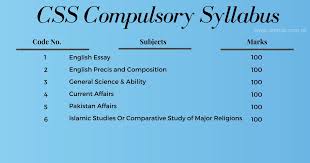
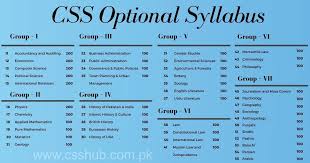
- Written Examination: The core of the CSS, consisting of 12 papers (6 compulsory, 6 optional) totaling 1200 marks.
- Medical Examination: A test of physical fitness.
- Psychological Assessment & Viva Voce: An interview that assesses your personality, confidence, analytical ability, and overall suitability for a career in public service (300 marks).
The competition is fierce, with a success rate often hovering between 2-3%. This isn’t meant to discourage you, but to emphasize the need for unparalleled dedication and a superior strategy.
Preparation Hint of CSS Exam 2026
Phase 1: The Foundational Blueprint (Months 1-3)
This initial phase is about laying a solid groundwork. Rushing into studying without a plan is the most common mistake.
1. Syllabus Dissection:
Your syllabus is your bible. Print it out, read it, and internalize it. Don’t just skim it; understand the depth required for each topic in every subject. For optional subjects, the syllabus will dictate your choice of books and reference material.
2. Strategic Subject Selection:
Your choice of optional subjects (6 out of a large list) is a critical strategic decision. Consider the following factors:
Phase 1-II
- Interest and Background: Choose subjects you are genuinely interested in or have an academic background in. Passion fuels persistence.
- Scoring Potential: Some subjects have a reputation for being relatively high-scoring (e.g., International Relations, Political Science, Sociology, Journalism). Research past trends and selected candidate reports.
- Overlap: Choose subjects that have overlapping topics. For instance, International Relations (IR) overlaps with Pakistan Affairs and Current Affairs. This reduces your overall workload.
- Availability of Resources: Ensure quality books, notes, and guidance are readily available for your chosen subjects.
3. Resource Acquisition:
Gather your arsenal. Avoid the temptation to collect 10 books for one subject. For most topics, 1-2 standard textbooks and one good compilation of notes are sufficient.
- Compulsory Subjects: Standard books like
A History of the Muslim Worldby Ikram Rabbani (Islamiyat),Building Materials & Constructionby S.P. Arora (Everyday Science),Functional Englishby a reputable publisher, andPakistan Affairsby Ikram Rabbani or M. Ikram Rabbani are common staples. - Optional Subjects: Research the most recommended books from successful candidates and teachers.
4. Crafting a Realistic Study Plan:
A plan without a timeline is a wish. Create a weekly and monthly schedule.
- Allocate Time Wisely: Dedicate more time to subjects you find challenging or that carry more marks.
- Be Specific: Don’t just write “Study IR.” Write “Study Chapter 3: Theories of IR (Realism & Liberalism).”
- Incorporate Revision: Your schedule must include dedicated slots for revision from the very beginning. Without consistent revision, you will forget what you learn.
Preparation Hint of CSS Exam 2026
Phase 2: The Execution Engine (Months 4-9)
This is the core of your preparation, where discipline and consistency are paramount.
1. Active Reading & Note-Making:
Don’t just passively read paragraphs. Engage with the material.
- Develop the Art of Précis: For the Précis & Composition paper, practice regularly. It’s a skill built over time.
- Make Smart Notes: Don’t copy entire paragraphs. Create condensed notes with bullet points, mind maps, flowcharts, and key terminologies. These will be your go-to resource during revision periods. Your notes should be a distillation of the entire book.
2. The Answer-Writing Crucible:
Knowing the information is one thing; presenting it under timed conditions is another. This is the most underrated yet crucial skill.
- Practice Daily: Start writing answers from day one.
- Focus on Structure: A CSS answer is not an essay. It requires a clear structure: Introduction, Body (with logical arguments, facts, and examples), and a Conclusion.
- Time Yourself: Gradually reduce the time you take to write a answer. In the exam, you have approximately 7-8 minutes per question.
- Get Evaluated: Have your answers evaluated by a senior, a teacher, or a fellow serious aspirant. Constructive criticism is invaluable.
Phase 2-II
3. Mastering Current Affairs:
This is not a subject; it’s a perspective that permeates almost every paper, especially Essay, Pakistan Affairs, International Relations, and Journalism.
- Dedicate Time Daily: Spend at least 60-90 minutes daily reading newspapers (Dawn, The News are recommended). Focus on national, international, economic, and scientific developments.
- Analyze, Don’t Memorize: Understand the “why” behind an event. What are its implications for Pakistan? How does it connect to historical patterns?
- Maintain a Journal: Note down important events, quotes from editorials, and data (e.g., GDP growth, inflation figures) monthly.
4. The Essay Paper:
The 100-mark Essay paper can make or break your result.
- Build a Bank of Topics: Categorize past essay topics (e.g., Socio-economic issues, Foreign Policy, Philosophical, Gender).
- Develop a Framework: Have a mental template for writing a compelling essay: a hook introduction, thesis statement, 4-5 coherent arguments with examples, and a powerful concluding paragraph.
- Vocabulary and Flow: Work on using sophisticated yet precise language and ensuring a smooth flow between paragraphs.
Phase 3: The Final Countdown (Last 3 Months)
1. Intensive Revision:
This phase is solely for revising your condensed notes. You should not be learning new topics. Cycle through your subjects multiple times.
2. Mock Exams:
Simulate the exam environment. Take full-length 3-hour mock tests for each subject. This builds stamina, improves time management, and exposes your weaknesses.
3. Focus on Psychology & Viva Voce:
Start preparing for the interview. Read your own CV thoroughly—every detail is fair game for questioning.
- Know Your Subjects: Be prepared to discuss contemporary issues related to your optional subjects.
- Develop a Worldview: Formulate articulate opinions on major national and international issues.
- Practice Communication: Work on confidence, body language, and clear, concise speaking.
The X-Factors: Beyond the Books
- Consistency Over Cramming: 4-5 hours of daily, focused study is far better than 12 hours of sporadic, panicked cramming.
- Health is Wealth: Prioritize sleep, exercise, and a healthy diet. A sound mind resides in a sound body. The exam is a marathon, not a sprint.
- Positive Mindset & Resilience: You will face moments of self-doubt and fatigue. Develop a strong support system. Stay connected with positive and motivated aspirants.
- Learn from the Best: Read success stories and recommended strategies from top qualifiers. Their insights can provide practical tips you may not have considered.
Preparation Hint of CSS Exam 2026
Section |
Phase 1: The Foundation (Starting Now – Mid 2025)
This is the most crucial phase. A strong foundation makes the subsequent preparation much smoother.
1. Understand the Exam Completely:
- Get the Official Syllabus: Download the latest syllabus from the FPSC website. While the 2026 syllabus might not be out yet, use the 2025 one. Changes are usually minor. Read it thoroughly for every subject you plan to take.
- Know the Structure: Understand the compulsory and optional subjects, the marks distribution, and the qualifying criteria.
2. Subject Selection (Optional Subjects):
- This is a strategic decision. Your choice can significantly impact your score.
- Choose based on: a) Your academic background, b) Your genuine interest, c) The scoring potential and success rate of the subject, d) The availability of quality preparation material and coaches.
- Commonly high-scoring optional subjects often include: International Relations, Political Science, Gender Studies, Sociology, Journalism, and certain history papers. However, your own strength is the most important factor.
Section ||
3. Gather Your Arsenal (Study Material):
- Standard Books: Don’t run after countless books. For each subject, identify 2-3 standard books and master them.
- Example:
- Pakistan Affairs: “Two-nation theory: The division of 47.
- Essay: Read editorials from Dawn, The News, and international papers like The Economist. Practice writing.
- Example:
- Current Affairs: This is the backbone of CSS. Start a disciplined routine now.
- Daily: Read a serious national newspaper (Dawn, The News).
- Weekly/Monthly: Read magazines like The Economist, Herald, Newsline. Use monthly digests like “CSS Current Affairs” by various academies to consolidate your knowledge.
- Online Resources: Utilize platforms like CSSForum, YouTube channels of reputable CSS coaches (e.g., Jahangir’s World Times, CSP Waqar Hassan), and FPSC’s own past papers.
4. Build a Routine:
- Consistency is key. It’s better to study for 4-5 hours daily than 12 hours on one day and then burn out.
- Allocate Time: Divide your time between compulsory and optional subjects. Dedicate a fixed slot for newspaper reading and current affairs note-making.
Phase 2: The Intensive Study (Mid 2025 – December 2025)
1. Deep Dive into Subjects:
- Move from understanding concepts to memorizing facts, figures, quotes, and case studies.
- Start making short, concise notes for each subject. These will be your go-to material for last-minute revision.
2. Answer Writing Practice – THE MOST IMPORTANT SKILL:
- Start writing! Knowledge is useless if you can’t present it effectively in the exam hall under time constraints.
- Practice with Past Papers: Solve at least the last 5-10 years of past papers.
- Focus on:
- Structure: maintain your body structure.
- Presentation: Must be Good
- Time Management: Practice writing answers within the stipulated time (e.g., a 20-mark question in 25-27 minutes).
3. Join a Study Group:
- It helps in staying motivated and accountable.
Phase 3: The Final Countdown (January 2026 – Exam Date)
1. Revision, Revision, Revision:
- This phase is solely for revising your short notes. You should not be learning new topics.
- Create a revision schedule to cycle through all subjects multiple times.
2. Mock Exams:
- Enroll in a reputable mock exam series. This simulates the actual exam environment and helps you manage stress, time, and performance.
- Get your papers evaluated by experienced mentors and work on the feedback.
3. Focus on Health and Mindset:
- Avoid Burnout: Take short breaks, engage in light physical activity.
- Sleep and Diet: Don’t compromise on sleep. A well-rested brain retains and recalls information much better. Eat healthy.
- Stay Positive: CSS is a marathon. There will be stressful days.
Key Hints & Pro-Tips for 2026:
- Current Affairs is King: Connect every static topic (e.g., Foreign Policy, Governance) with current events. FPSC loves candidates who can apply knowledge to the present.
- Originality of Thought: Don’t just parrot a book. Develop your own analysis and opinions, backed by evidence.
- Improve English Writing: Your expression must be clear, concise, and grammatically correct. Read good writers and practice essay writing every week.
- The “Why” behind everything: Don’t just memorize that something happened. Understand why it happened, what its consequences were, and what lessons can be learned. This analytical approach is crucial for high marks.
- Stay Updated with FPSC: Regularly check the FPSC website for any official notifications regarding the 2026 exam (application date, syllabus changes, etc.).
Recommended Initial Booklist (Check for latest editions):
- Essay: Read diverse topics (technology, philosophy, sociology, IR). Practice writing on them.
- English : Thomson & A.V. Martinet, “High School English Grammar & Composition” by Wren & Martin.
- General Science: Basic science textbooks (8th-10th grade).
- Current Affairs: As mentioned above. Make your own notes.
Starting early for the 2026 exam gives you a tremendous advantage. Use this time wisely to build an unshakable foundation.
Good luck! Your consistent effort will surely pave the way to success.
Conclusion: The Worthy Challenge
The path to the CSS is demanding, isolating, and fraught with challenges. It requires immense sacrifice and unwavering resolve. However, the reward is unparalleled: the opportunity to serve your nation at the highest level, to influence policy, and to directly contribute to the betterment of millions of lives.
View your preparation not as a burden, but as a transformative intellectual journey. You are not just studying to pass an exam; you are educating yourself to become a future leader. Embrace the knowledge, hone your analytical skills, and cultivate the wisdom required for public service.
Start with a plan, execute with discipline, and finish with confidence. Your journey to conquering the CSS begins now. I hope this comprehensive overview is helpful. Good luck with your preparation